Systems & EPC
HCI Gas Synthesis Unit
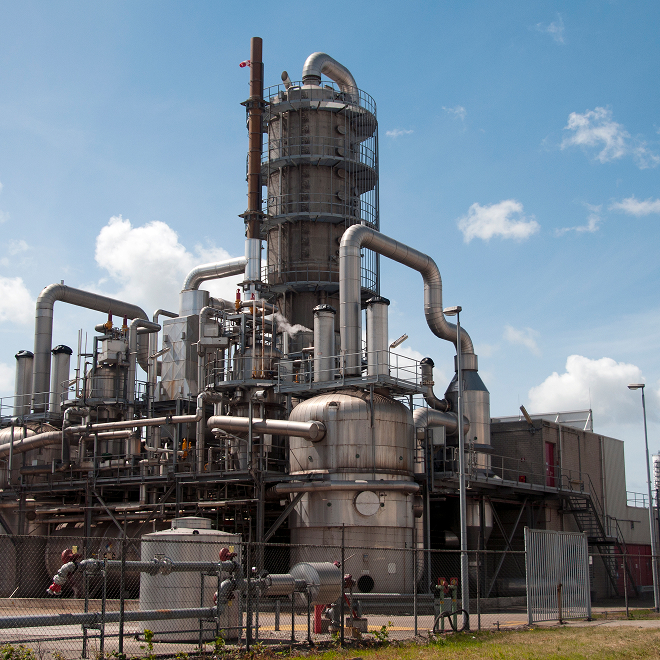
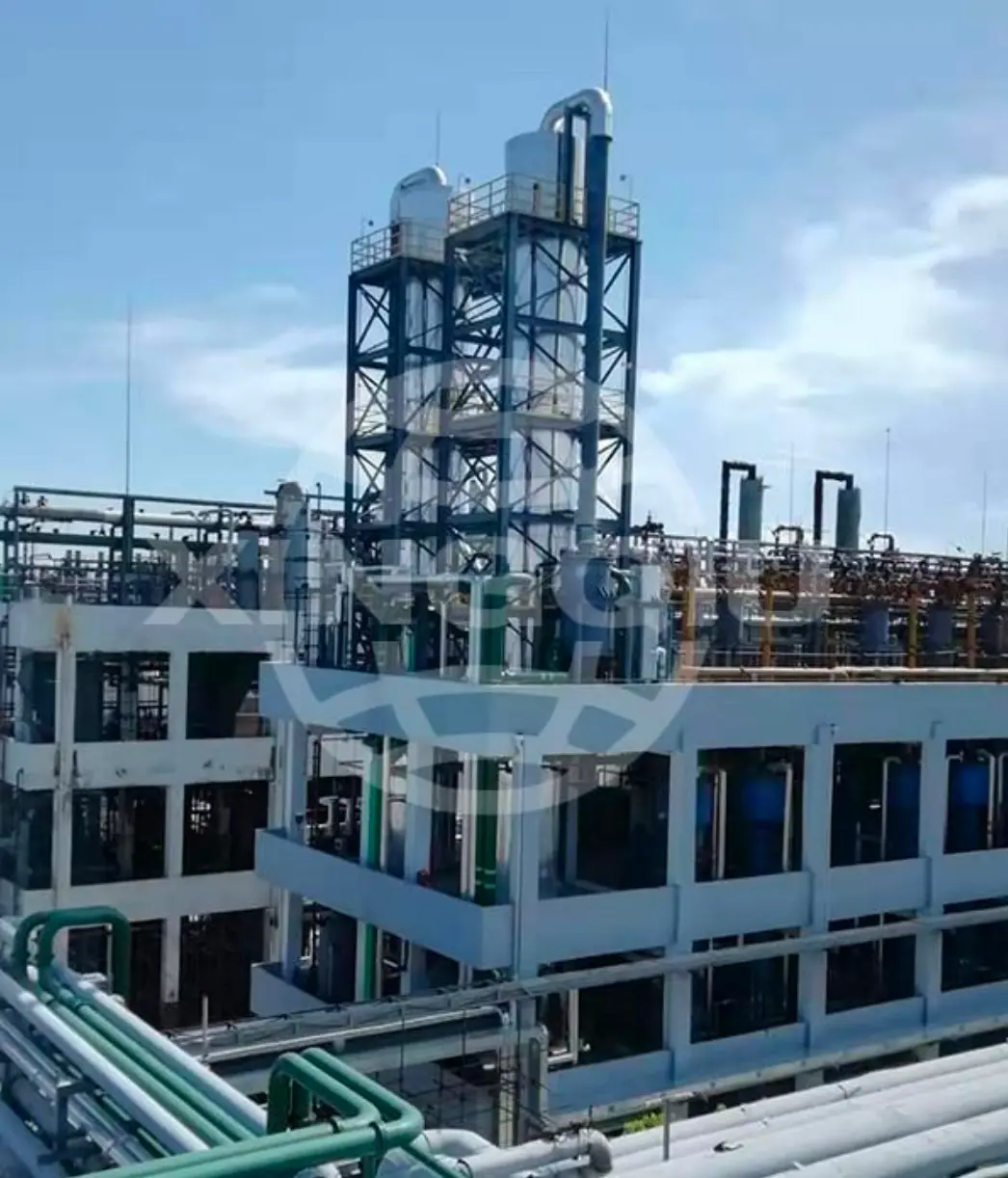
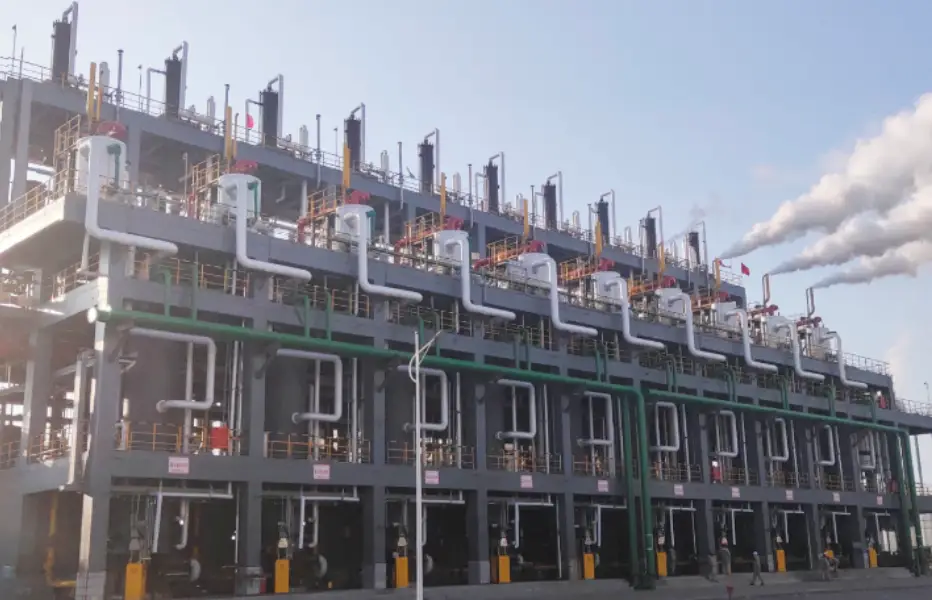
HCI Gas Synthesis Unit is composed of synthesis section and coolingsection. Hydrogen and chlorine are mixed and burnt into HCL gas, the HCL gas iscooled and deliver to usage process (such as PVC, poly silicon application, inwhich HCL gas is needed ) or enter in to absorbing system to make HCL acid.The heat generated in the synthesis process can be recovered as hot water orsteam according to customers requirement.It's equipped with auto-control system(ignition system), unmanned on-site can beaccomplished.
HCI Acid Synthesis Unit
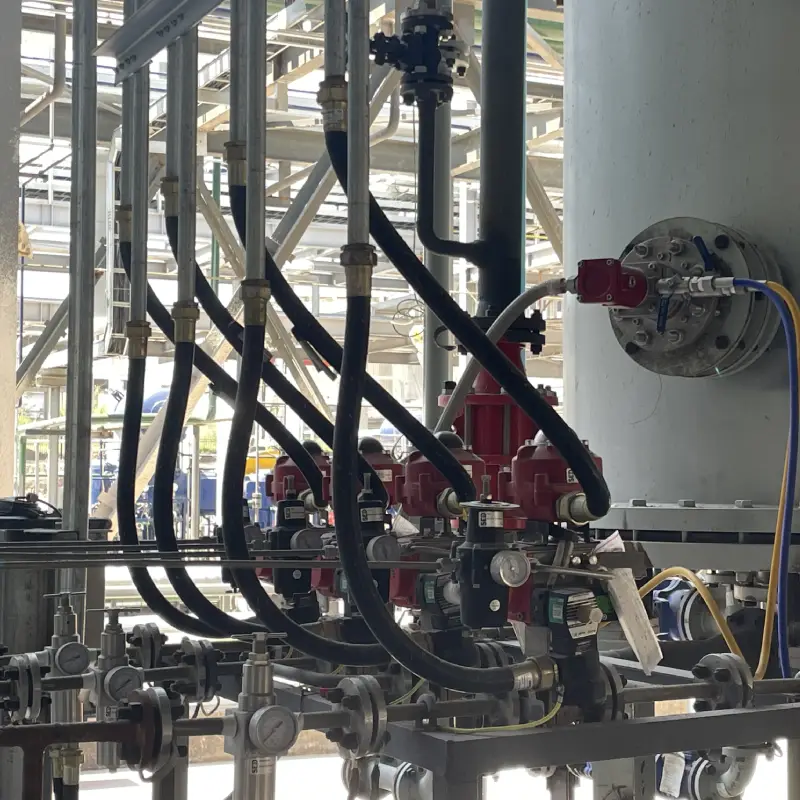
Automatic Ignition System
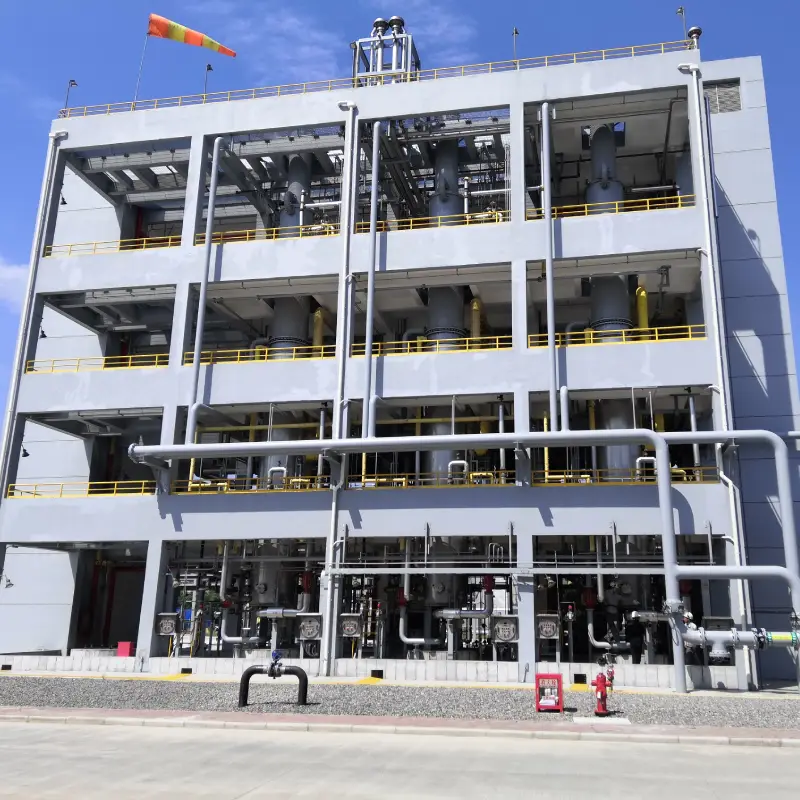
The automatic ignition system is one of the core safety and control systems of the hydrogen chloride synthesis furnace. It is designed to safely and efficiently ignite hydrogen and chlorine inside the graphite synthesis furnace, ensuring smooth reaction start-up and continuous stable operation.
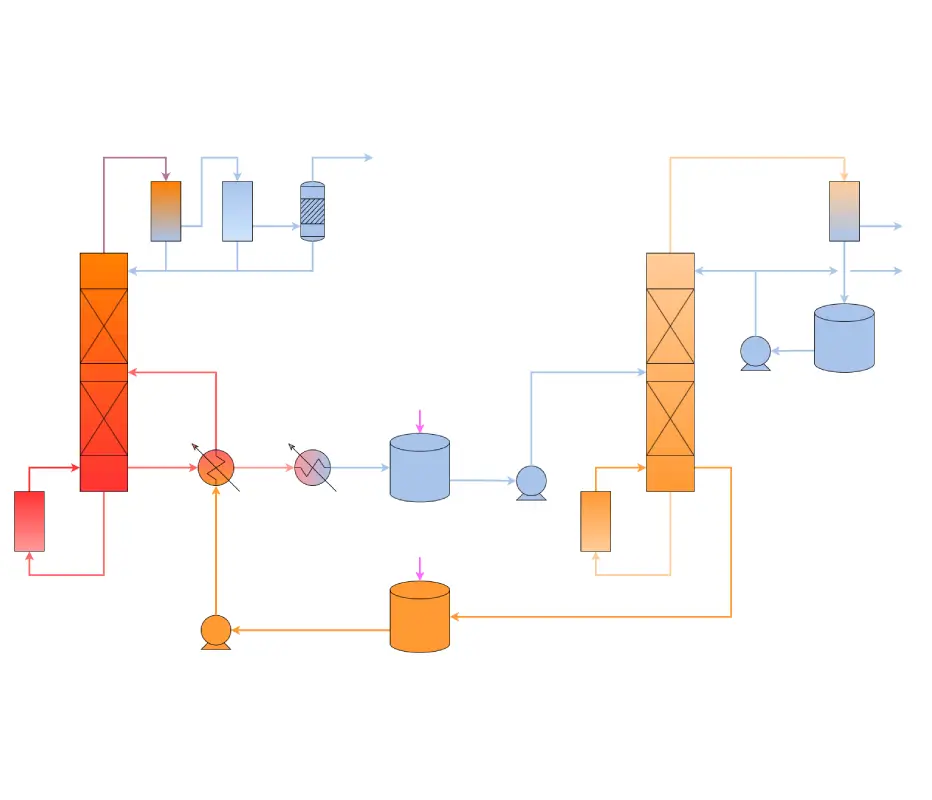
Conventional Hydrochloric Acid Desorption System
Heating HCL acid by steam, HCL is desorbed out. Besides synthesis HCL, this isanother method to produce HCL. Using water or weak HCL acid as the absorbing liquid, HCL gas is absorbed to produceHCL acid in a concentration range of 28% to 37%. Pure HCL gas is generated by HCLacid desorption. The concentration of azeotropic acid after desorption is 17%-21%,and acid can be recycled in absorbing system and be concentrated again.
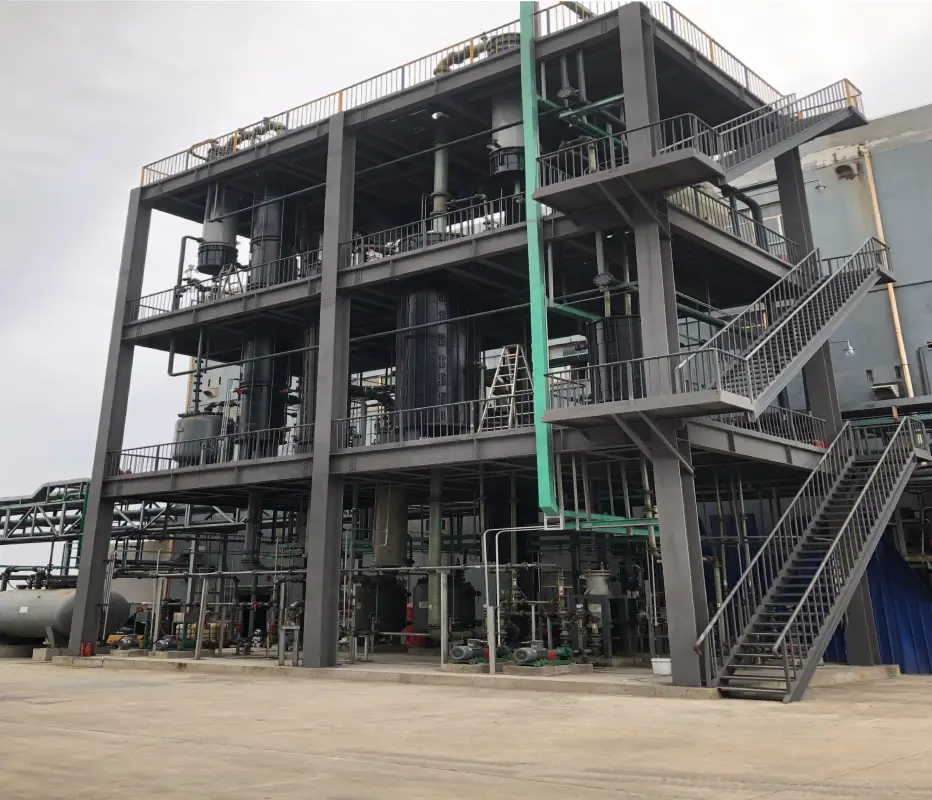
Catalytic Deep Hydrochloric Acid Desorption System
The system can be used for HCL acid at any concentration. Add C.CL:in acid to break chemical equilibrium, distill HCL gas, the diluted C.CLawill be recycled in concentration system. If impurity in acid is easy to react chemically with C.CLa, we suggest thatit is better to recycle HCL gas with differential pressure distillationmethod.
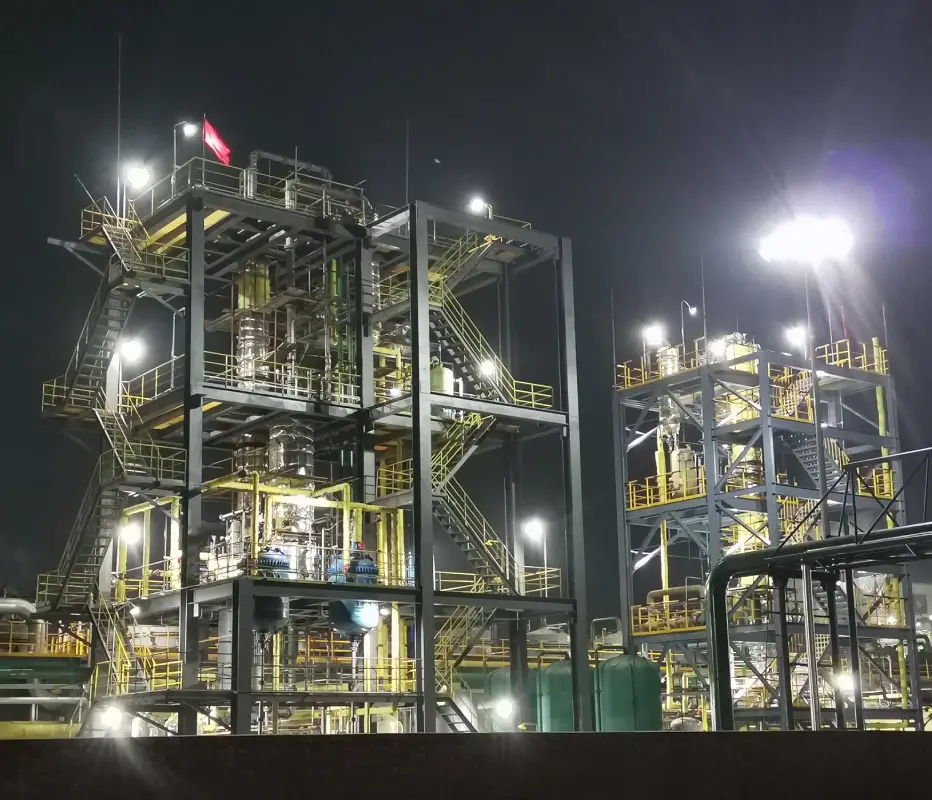
Pressure Difference Method Deep Hydrochloric Acid Desorption System
Azeotropic concentration changes depending on different pressure, withthis principle, tdifferential pressure distillation system can produce HCL gas.HCL acid is concentrated in negative pressure, and is desorbed out inpositive pressure. Compared with extraction method, this method needhigher steam consumption and larger investment.
Hydrogen Chloride Gas Drying System
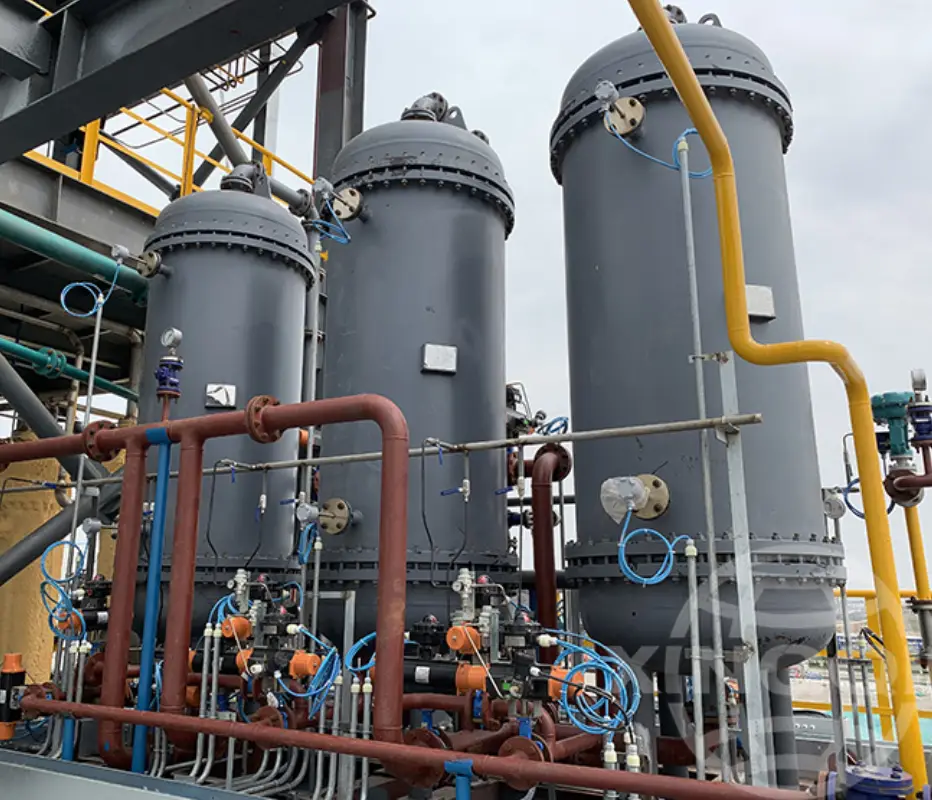
Molecular sieve drying system we developed has proven to be an ideal drying system for HCL gas.Alternate absorbing and regeneration by 2 absorbers, to keep continuous separating and purification of gas
Working life :3 years MIN moisture: 10ppm.
Modular design reduces much cost for installation and frame structure.
Sulfuric Acid Concentration System
Product Description
Concentrated sulfuric acid is widely used as a dehydrating agent in the chemical industry. However, as the water content increases, 98% sulfuric acid is gradually diluted into dilute sulfuric acid. Therefore, many customers adopt sulfuric acid concentration systems to recover and reuse sulfuric acid resources.
Application Areas
Waste sulfuric acid from industries such as organic silicon, chlor-alkali, and fine chemicals.
Process Description
The system adopts advanced dilute sulfuric acid vacuum concentration technology, using medium-pressure steam as the heat source. By concentrating dilute sulfuric acid generated from other process sections and recycling it for reuse, the system achieves hazardous waste reduction and resource recovery, creating greater economic benefits for enterprises.
Hydrogen Chloride Gas Absorption System
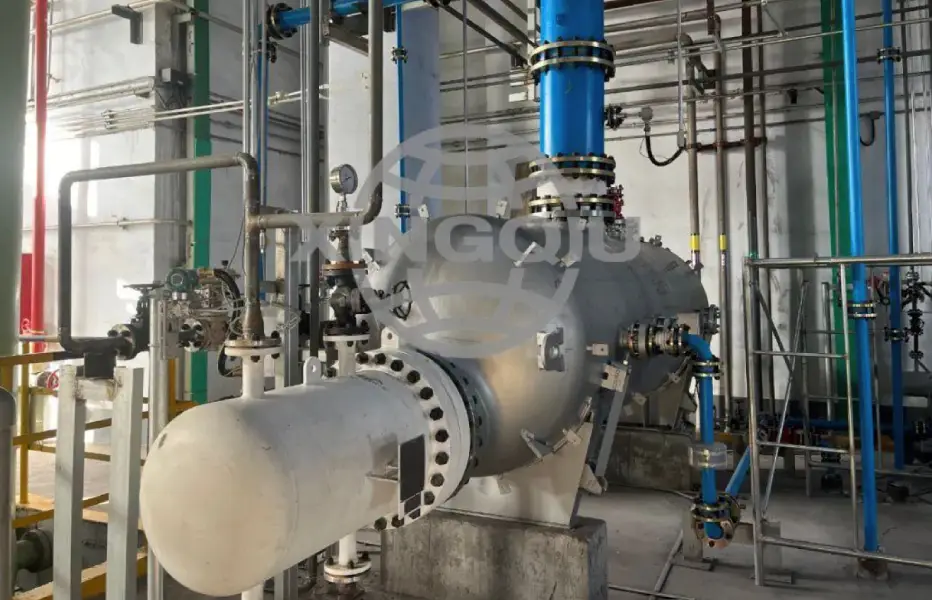
Fully utilizing the advantages of graphite materials, including outstanding corrosion resistance, rapid heat transfer, and excellent thermal shock resistance, the system achieves highly efficient acid gas condensation and recovery through an optimized counter-current absorption process. Designed for both fine chemical applications and large-scale chemical production, the system ensures reliable, safe, and environmentally sustainable absorption performance.
Sulfuric Acid Dilution System
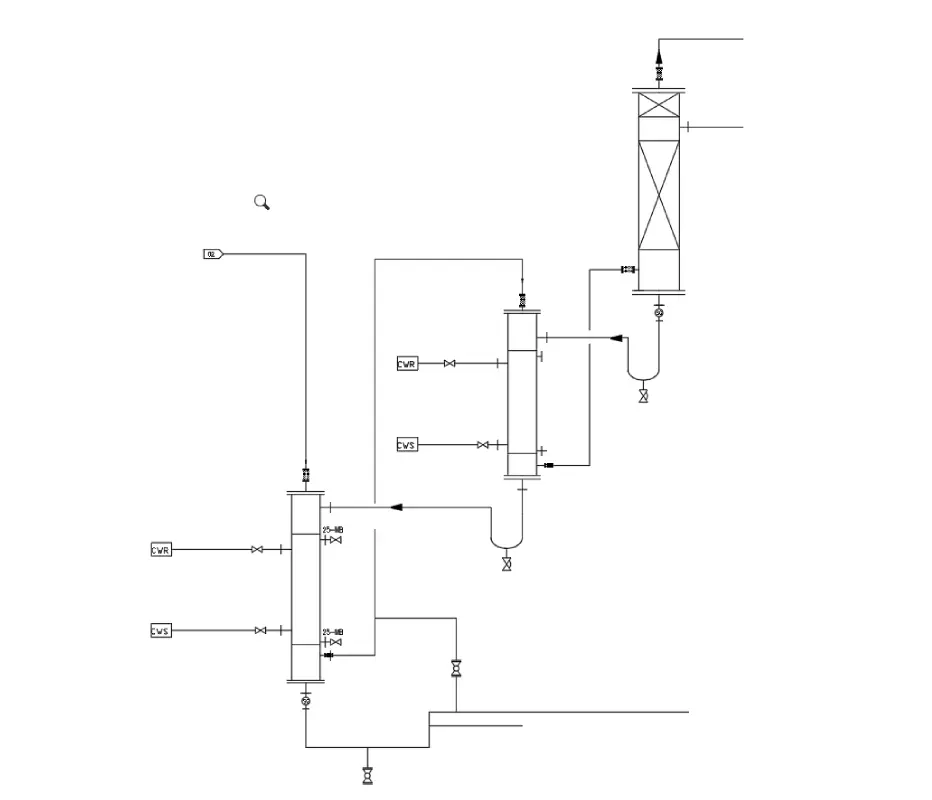
The sulfuric acid dilution system is a specialized industrial unit designed to dilute 98% concentrated sulfuric acid into 30–60% dilute sulfuric acid while achieving the required process temperature.
This automated industrial system is designed for the safe dilution of concentrated sulfuric acid. It mainly consists of a graphite jet mixer, graphite cooler, connecting pipelines, control instruments, and control cabinet. The system can accurately dilute 98% concentrated sulfuric acid to any required concentration while cooling the diluted sulfuric acid to meet production requirements. A single system can satisfy the continuous operation demands of large-scale industrial production.
The system adopts a safer and more efficient in-pump mixing design, replacing the traditional dilution chamber with a dedicated graphite mixing pump. Water and concentrated sulfuric acid are rapidly and uniformly mixed inside the pump through high-speed agitation, effectively preventing local overheating and acid splashing commonly encountered in conventional dilution processes.
The large amount of heat released during the mixing process is quickly removed by the subsequent graphite cooler, resulting in dilute sulfuric acid with stable temperature and concentration that fully meets production requirements.
Evaporation System
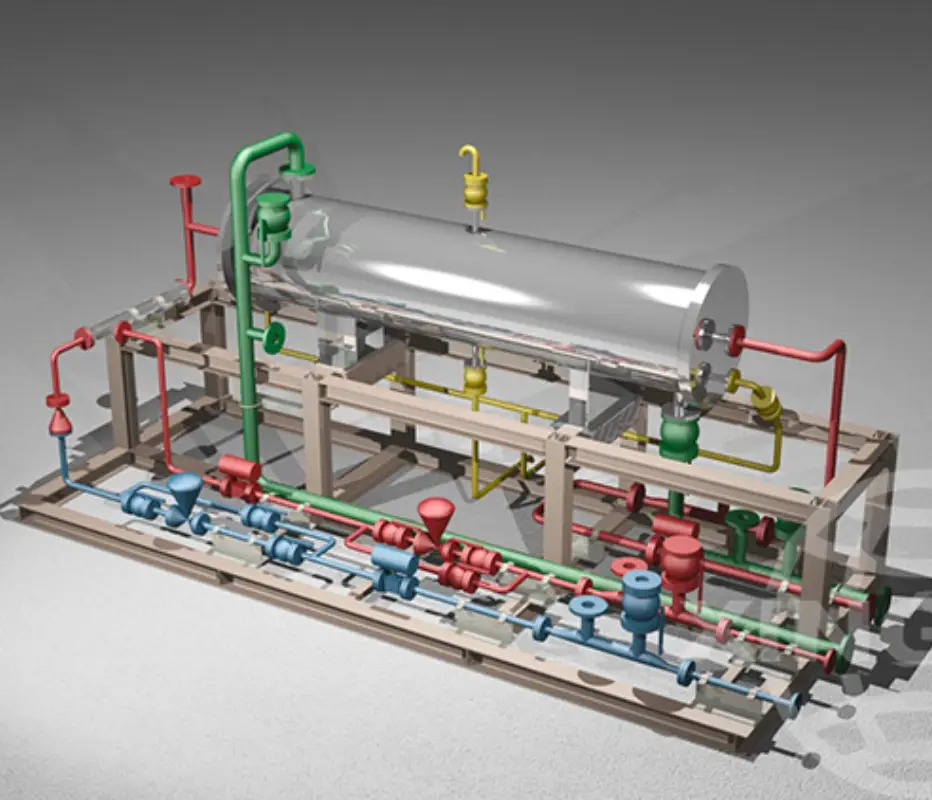
Evaporation technology is one of main important applicationsin environmental protection.Evaporation is used insewage acid treatment, HCLand water is separatedout from sewage acidbyevaporation, and residualis concentrated together.
Common evaporation process:single effect evaporation, multi-effect evaporationand MVRevaporation.
The choice of different evaporation process is based on different medium.
Compared with traditional caldronevaporation,graphite evaporation device, can increase evaporationefficiency and reducesteam consumption. The graphiteevaporation device is used to concentrate weakH2SO4 and otheracidmedia with low concentrations.
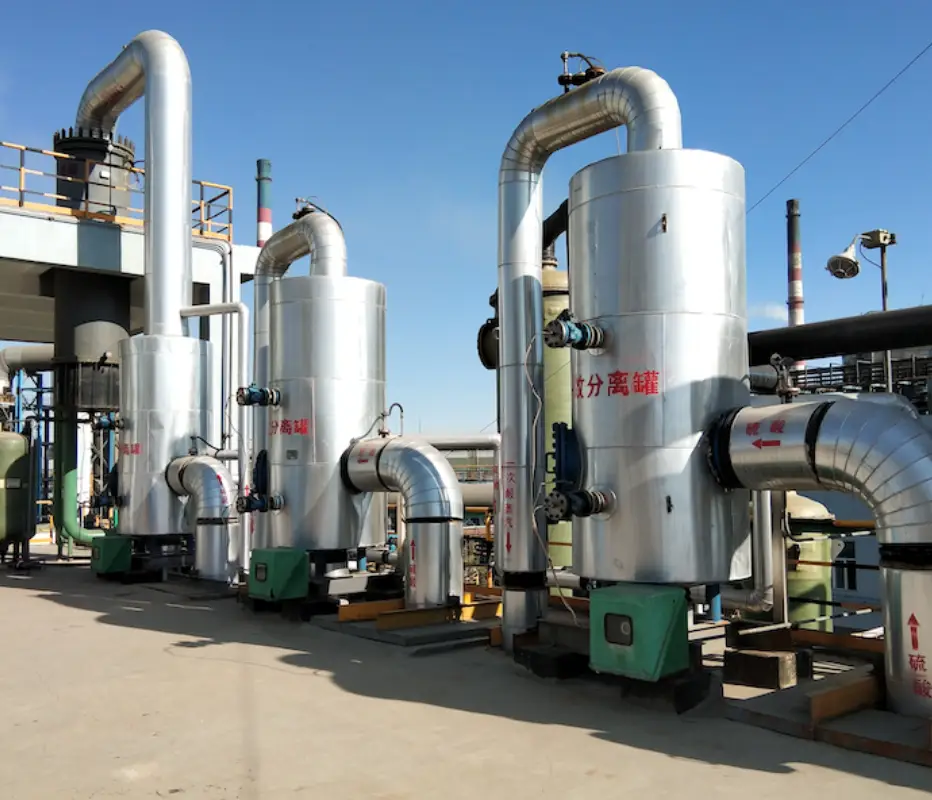
Titanium Dioxide Waste Acid Treatment System
Waste acid treatment system for sulfuric-acid-process titanium dioxide production.
Dilute sulfuric acid is concentrated for reuse, reducing waste and disposal pressure.